
Yevgeny Yevtushenko, a Soviet Russian poet, once famously quoted, “Why is it that right-wing bastards always stand shoulder to shoulder in solidarity, while liberals fall out among themselves?“. The quote stands in stark contrast to the late 20th century trend, wherein post Second World War, particularly after the Cold War, countries across the globe started electing liberal parties to power in a gradual but steadfast manner. Liberals started defeating their great geopolitical rivals on the fascist Right and the communist Left in what came to be known as “The Golden Age for Democracy“.
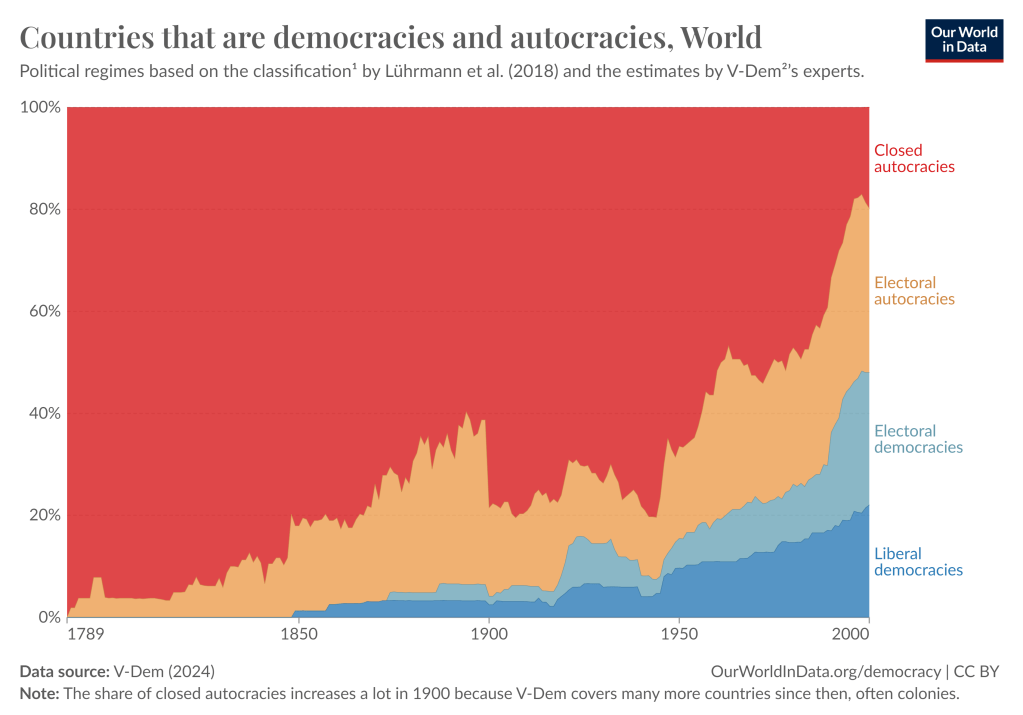
However, with advent of the second decade of the 21st century, the trend has suffered a setback with. Discontent and disdain for liberalism have spread across huge swathes of the globe, led by a resurgent Right-wing populism that denounced its materialism, universalism and libertine decadence. Part of the right wing movement has led to toppling of democratically elected Governments by the military junta, by accusing the ruling regimes of corruption, economic mismanagement, and failure to confront armed separatist movements. The Coups d’État of the Sahel Region of the African continent serve as a classic example.


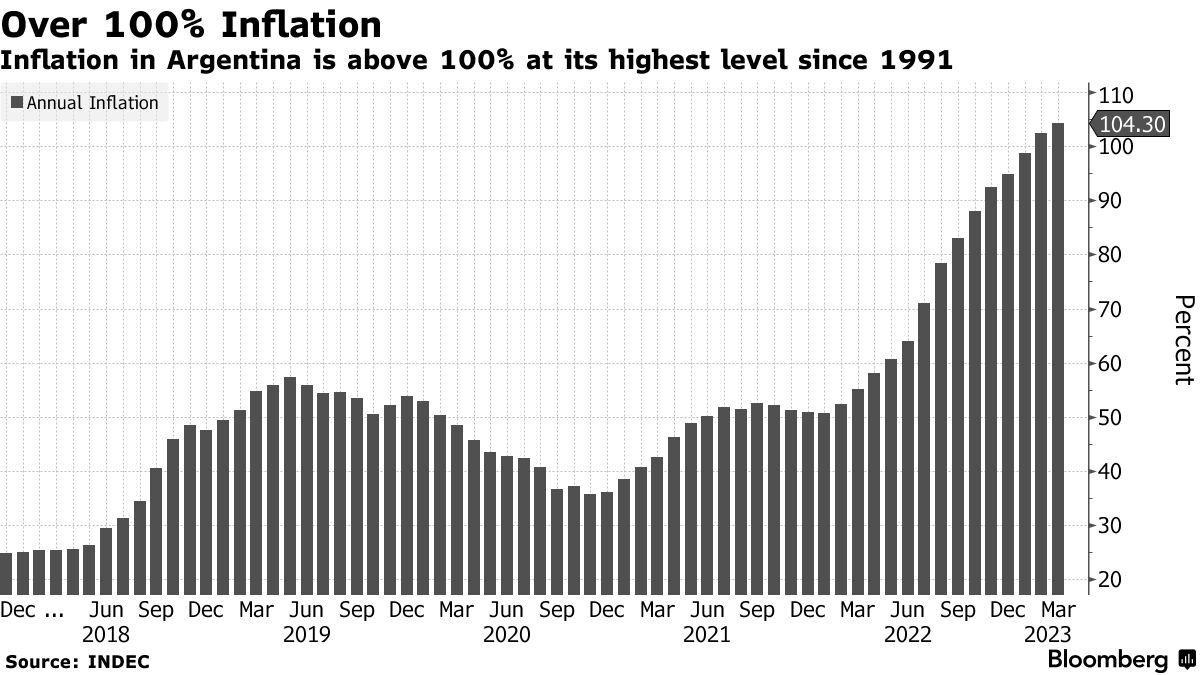
The movement has been less extreme in other parts of the world, but Latin America has witnessed the rise of far-right, conservative strongman leaders as heads of state, in a conservative wave termed as the Blue Tide. The list includes Javier Milei, who came to power with a promise to curb the free-flowing economic downfall of the Argentine economy; Nayib Bukele, the 42-year-old strongman from El Salvador, who enjoys a wave of support at home and abroad for his no-limit “war” on gangs; and Jair Bolsonaro, the far-right Brazilian who openly flouted Covid restrictions, among others. In some cases, these leaders have challenged the promotion of new rights such as marriage equality, adoption by queer couples, pro-environment policies, or the legalization of marijuana, as well as developments on the issue of sexual education in primary schools.


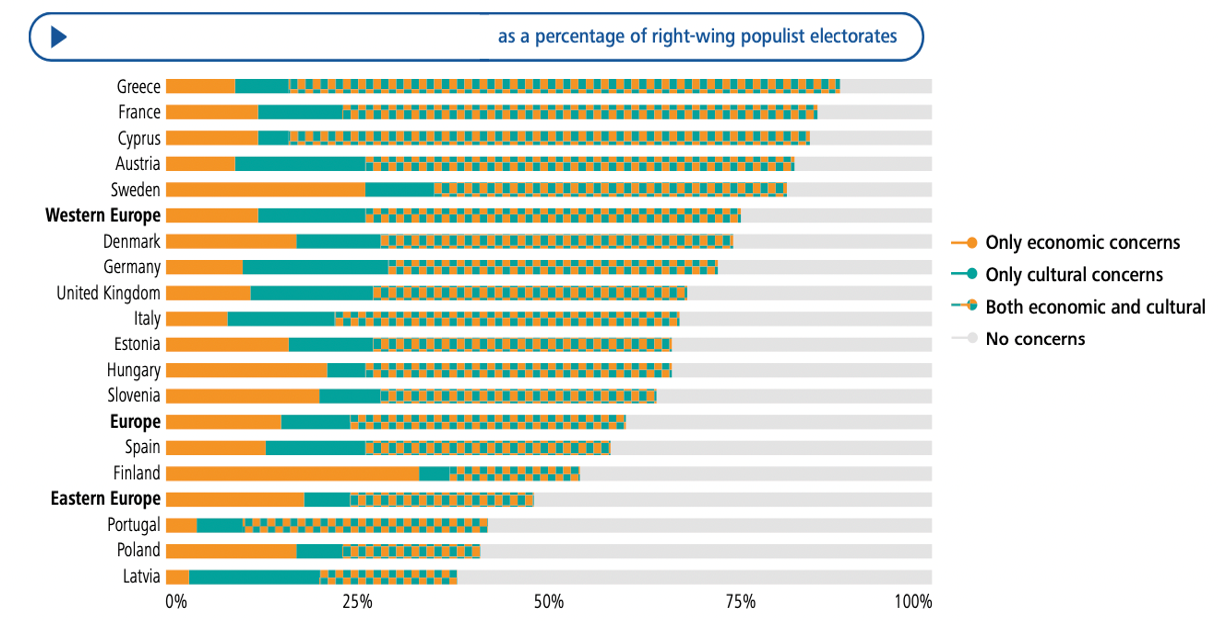
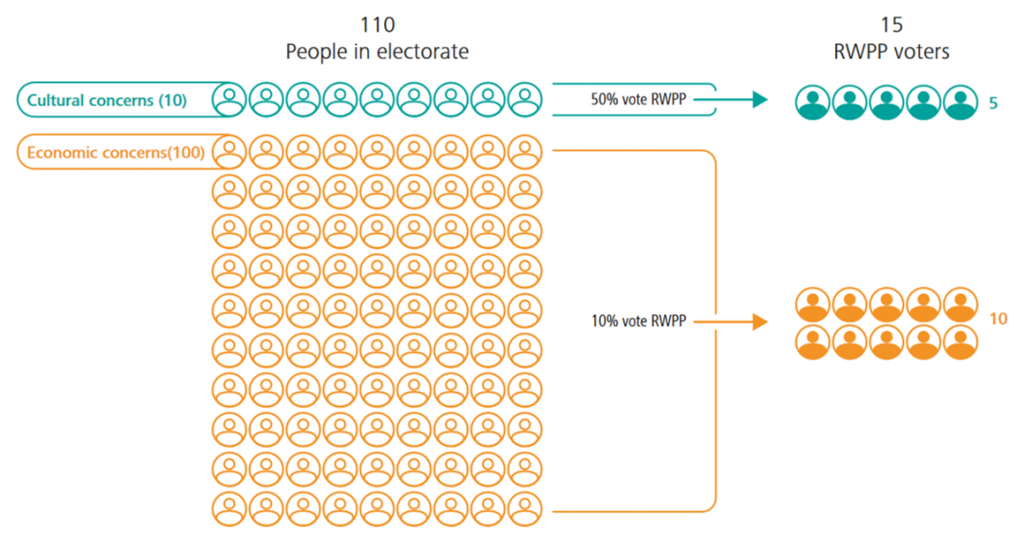
Over the last decade, European voters have abandoned mainstream parties, in favor of far-right ones, across Europe as they grappled to contain multiple cost-of-living crises, a major financial crash, millions of refugees crossing its eastern and southern borders, terror attacks in major capitals and drastic energy spikes amid a stagnating war. According to a report, the rise of far-right populist parties(RWPP) in Europe can be contributed to 3 Ps: People, Parties and Policies. Broadly, “People” denotes the targeted demographic by right-wing populist movements, often appealing to specific grievances and fears within the population to garner support, especially cultural and economical. “Politics” likely encompasses the strategies and tactics employed by these movements to attain political power, leveraging populist themes such as nationalism and anti-establishment sentiment. “Policies” may relate to the policy agendas advocated by right-wing populists, which often prioritize issues like immigration restriction and cultural conservatism. The figures highlight the hypothetical distribution of voters and voting pattern.
The rise of right-leaning parties, once considered a fringe movement relegated to the margins of political discourse, has now become a formidable global phenomenon of profound significance. What was once dismissed as localized discontent or temporary political turbulence has evolved into a widespread and enduring trend that transcends national borders and cultural divides. But as Joseph Stiglitz states
“The rise of right-wing populism is a symptom of deeper social and economic inequalities that must be addressed through systemic change“
 Lekhakbanda